
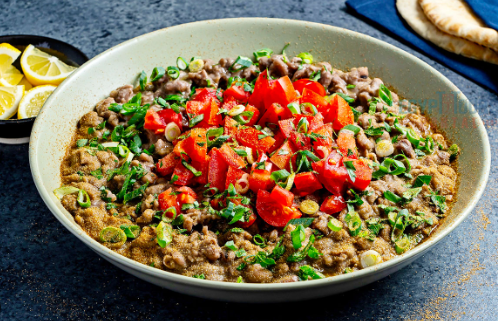
Egyptian cuisine is a rich blend of flavors and traditions that reflect the diverse history of the nation. With influences from various cultures, traditional Egyptian foods tell a story through their ingredients and preparation methods.
1. Ful Medames: The National Dish
Ful medames is a staple in Egyptian households and is often enjoyed for breakfast. Made from fava beans that are slow-cooked and seasoned with olive oil, lemon juice, garlic, and cumin, this dish is both hearty and healthy. Typically served with bread and a side of salad, Ful can be garnished with boiled eggs or tahini for an extra flavor boost.
This dish not only represents the simplicity of Egyptian cooking but also showcases its nutritious value. It’s a source of protein and fiber, making it an ideal choice for a fulfilling start to the day. Many locals enjoy Ful medames accompanied by a refreshing cup of mint tea, creating a perfect balance of flavors.
-
- Use dried fava beans for an authentic taste.
-
- Cook the beans slowly for a creamy texture.
-
- Experiment with spices: cumin and coriander are popular.
-
- Top with fresh parsley or pickles for a vibrant presentation.
-
- Consider pairing it with pita bread for a complete meal.
2. Koshari: A Comfort Food Classic
Koshari is often dubbed Egypt’s national dish, known for its simple yet satisfying combination of rice, lentils, pasta, and a spicy tomato sauce. This dish showcases the culinary creativity of Egyptians, as it combines various ingredients in one bowl, topped with a sprinkle of crispy fried onions. Koshari is not just food; it’s a meal that brings people together, often found at street vendors across the country.
This one-pot meal is filling and economical, making it popular among families and students alike. The layers of flavor from the garlic and vinegar alongside the hearty textures of lentils and pasta create a delightful eating experience. Pairing it with a side of hot sauce elevates the dish and adds a spicy kick that many people love.
-
- Cook lentils and rice separately for the best texture.
-
- Use a variety of pasta for added texture and flavor.
-
- Add a pinch of cayenne pepper to the tomato sauce for heat.
-
- Fry onions until golden and crispy for the perfect topping.
-
- Serve with a side of salad for a well-rounded meal.
3. Mahshi: Stuffed Vegetables
Mahshi consists of vegetables like zucchini, bell peppers, and eggplants stuffed with a flavorful mixture of rice, herbs, and minced meat. This dish is often enjoyed during gatherings and celebrations, showcasing the communal spirit of Egyptian dining. Each bite bursts with flavors from the spices, such as cinnamon and allspice, often enhanced by a drizzle of tomato sauce.
The preparation of Mahshi can be a family affair, where everyone pitches in to help stuff the vegetables. This traditional recipe not only reflects Egyptian culinary techniques but also emphasizes the importance of sharing a meal with loved ones. The combination of fresh vegetables and savory filling makes Mahshi both a nutritious and delicious choice.
-
- Choose fresh, firm vegetables for stuffing.
-
- Mix rice with herbs like dill and parsley for added flavor.
-
- Add pine nuts for a crunchy surprise in the filling.
-
- Ensure the stuffing is not too wet to avoid sogginess.
-
- Simmer gently to allow flavors to meld beautifully.
4. Basbousa: A Sweet Delight
Basbousa is a popular Egyptian dessert made from semolina, drenched in a sweet syrup, and often garnished with almonds or coconut flakes. This cake is known for its moist texture and deliciously sweet flavor, making it a favored choice for celebrations and family gatherings. The preparation method typically involves soaking the semolina in yogurt before baking, creating a delightful softness in the final product.
Basbousa can be enjoyed warm or cold and is often paired with a cup of strong Arabic coffee for a perfect contrast. This dessert is also easy to make, requiring simple ingredients that can be easily found, which makes it a popular option for home bakers. The recipe can be modified by adding various flavors, such as rose water or orange blossom, to suit different tastes.
-
- Use fine semolina for the best texture.
-
- Let the syrup cool before pouring over the hot cake for better absorption.
-
- Experiment with different toppings like shredded coconut or walnuts.
-
- Serve with a dollop of whipped cream for added indulgence.
-
- Store in an airtight container to keep it fresh longer.
5. Om Ali: A Traditional Bread Pudding
Om Ali, literally translating to “Ali’s Mother,” is a delicious bread pudding made from layers of pastry, milk, sugar, and nuts. This dish is traditionally served warm and is beloved for its creamy texture and crunchy topping. It’s a comforting dessert often enjoyed during special occasions, showcasing the warmth of Egyptian hospitality.
The rich combination of flavors, complemented by the aromatic spices such as cinnamon and vanilla, makes Om Ali a delightful treat. It can be prepared quickly with phyllo dough if you’re short on time or made with leftover bread for a more traditional approach. The dish is versatile: nuts like pistachios, almonds, or walnuts can be mixed in or sprinkled on top for that extra crunch.
-
- Opt for day-old bread for the best texture.
-
- Warm the milk before adding to the dish for enhanced flavor absorption.
-
- Use a mix of dried fruits and nuts for a festive touch.
-
- Serve immediately after baking for a warm treat.
-
- Top with a drizzle of honey for added sweetness.
Egyptian cuisine is rich with flavors and traditions that tell the story of its people. By exploring these traditional dishes, you not only indulge in delicious flavors but also partake in the cultural heritage of Egypt. Whether you’re cooking for yourself or hosting a gathering, consider incorporating these dishes into your next meal to experience the warmth and hospitality of Egyptian dining.