
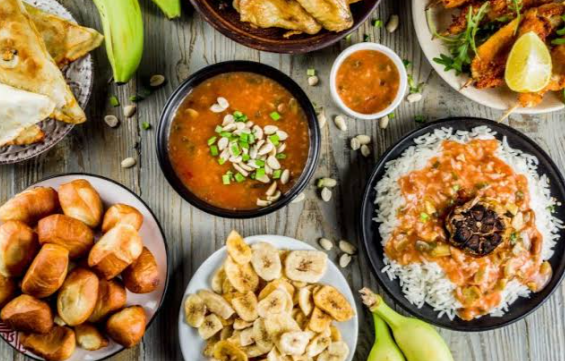
African taste traditions are rich and diverse, reflecting the continent’s various cultures, histories, and environments. Each region boasts flavors and cooking techniques that tell unique culinary stories, offering a delightful journey for food lovers everywhere.
1. The East African Influence
East Africa is known for its vibrant and flavorful cuisine, heavily influenced by its geography and history. Dishes often feature staples such as ugali (a maize porridge) and injera (a fermented flatbread). The integration of spices brought by ancient trade routes has also shaped local flavors. For example, Swahili cuisine, found along the coastal areas, is characterized by its use of coconut milk, fresh seafood, and a combination of spices, creating a rich tapestry of taste.
Moreover, each country presents unique variations. In Kenya, a popular dish is nyama choma, grilled meat often enjoyed with kachumbari, a fresh tomato and onion salad. In Ethiopia, meals are typically communal, emphasizing sharing and togetherness, with injera serving as both plate and utensil. Such customs reflect a deep-seated respect for food and community.
-
- Explore local markets to discover authentic spice blends.
-
- Try to prepare traditional dishes using local ingredients.
-
- Participate in communal meals to experience cultural dining.
-
- Ask locals for their favorite traditional recipes.
2. West African Flavors
West Africa is celebrated for its bold and diverse flavors, often driven by the use of spices like ginger, garlic, and peppers. Nigerian cuisine, for instance, features dishes such as jollof rice, a spicy one-pot dish that has various regional adaptations. The rivalry between countries for the best jollof rice is a testament to its cultural significance and flavors.
Another hallmark of West African cuisine is the use of groundnut (peanut) sauces, often found in dishes like maafe, a stew made with meats and vegetables. This region also takes pride in its fufu, a starchy staple made from cassava or yam, served as a side to soak up rich stews and soups. Dining in this region often includes sharing from communal bowls, reinforcing communal ties.
-
- Experiment with making jollof rice from scratch.
-
- Utilize groundnuts in various sauces and dishes.
-
- Learn about the importance of communal dining in West African culture.
-
- Seek out West African restaurants to experience authentic flavors.
3. Southern African Culinary Practices
Southern African cuisine showcases a blend of indigenous cooking methods and influences from European settlers and Asian communities. Boasting a range of ingredients, Southern African cooking emphasizes hearty dishes, often featuring maize, beans, and meat. Examples include biltong, a type of cured meat, and bobotie, a spiced minced meat dish topped with an egg custard.
Fruits and vegetables are also integral to the diet, with sweet potatoes, butternut squash, and various leafy greens being commonplace. The use of braai (barbecue) is a cultural phenomenon, where grilling meat over an open flame is not just a cooking method, but also a social event that gathers families and friends together to bond and celebrate.
-
- Host a braai to experience Southern African culinary traditions.
-
- Explore local markets for indigenous fruits and vegetables.
-
- Experiment with making biltong at home.
-
- Try cooking a bobotie for a taste of fusion flavors.
4. North African Aromas
North African cuisine is synonymous with aromatic spices and bold flavors, featuring ingredients such as couscous, lamb, and various legumes. Countries like Morocco, Algeria, and Tunisia present a rich tapestry of dishes characterized by slow-cooked tagines, which are stewed with spices, vegetables, and meats in a traditional earthenware pot. The blend of sweet and savory flavors is a hallmark of this region, often combining fruits like apricots with savory meats.
Mint tea is also an integral aspect of North African culture, symbolizing hospitality and social connection. It is common for families to gather over this sweetened beverage, reinforcing relationships and community bonds. As such, food and drink serve as important cultural markers that showcase hospitality and warmth.
-
- Try making a traditional Moroccan tagine at home.
-
- Incorporate spices like cumin and coriander into your cooking.
-
- Learn the art of preparing mint tea to share with friends.
-
- Visit North African restaurants to taste diverse flavors.
In conclusion, exploring African taste traditions opens a door to vibrant cultures and rich histories. Embrace the opportunity to experience these flavors, and consider experimenting with African recipes in your own kitchen. Whether through cooking, dining out, or learning more, there is always something delicious to discover.