
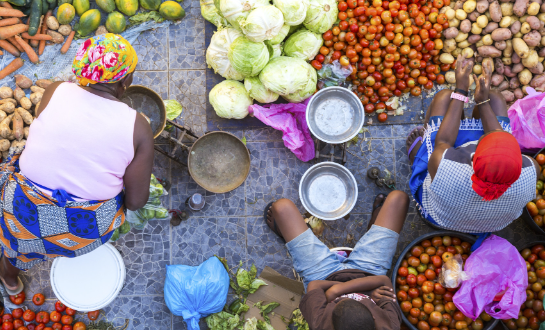
African food culture is a vibrant tapestry woven from diverse traditions across the continent. Each region brings its unique flavors, cooking methods, and social practices that shape how food is enjoyed. Exploring this culinary landscape provides a window into the history and culture of various African communities.
1. The Rich Diversity of Ingredients
African cuisine is characterized by its use of local ingredients that vary significantly from one region to another. In West Africa, for example, staples like yams, cassava, and millet play a central role. Meanwhile, North Africa relies heavily on spices such as cumin, coriander, and saffron, which are integral to dishes like tagines and couscous. The variety of ingredients also extends to fruits and vegetables, with indigenous plants like baobab fruit and moringa leaves gaining popularity for their nutritional benefits.
This regional diversity reflects not only the agricultural practices but also the cultural exchanges that have taken place over centuries. The introduction of ingredients through trade routes has influenced local cuisines, creating hybrid dishes that blend flavors and techniques. For instance, the East African dish “ugali,” a maize-based staple, owes its origins to indigenous farming methods and influences from Indian cuisine.
-
- Explore your local markets for unique African ingredients.
-
- Try incorporating indigenous spices into your cooking.
-
- Research traditional dishes from different African regions.
-
- Experiment with cooking methods used in African cuisine.
2. Social and Cultural Significance of Food
Food in African cultures often serves as a means of bringing people together. Traditional ceremonies, family gatherings, and community celebrations frequently feature communal meals, highlighting the importance of sharing food as an expression of hospitality. For example, in many cultures, the act of eating from a shared bowl fosters unity and strengthens social bonds.
Culinary traditions also reflect the historical and cultural narratives of African societies. In some cultures, food is prepared according to rituals that honor ancestors and deities, ensuring that meals are not just about sustenance but are laden with spiritual significance. Festivals celebrating harvests or significant life events often showcase specific dishes that embody cultural stories and practices.
-
- Participate in community cooking events to learn traditional recipes.
-
- Host a potluck featuring dishes from various African cultures.
-
- Engage in storytelling around food during family meals.
-
- Explore the cultural significance behind specific dishes you’re familiar with.
3. The Growing Influence of Modern Trends
As globalization continues to shape culinary landscapes, African food culture is experiencing innovative transformations. Chefs are exploring fusion cuisine, incorporating traditional flavors into modern dining experiences. Restaurants around the world are increasingly featuring African dishes, leading to a growing interest in African food culture among diverse audiences. This trend not only raises awareness but also provides opportunities for chefs and home cooks to showcase their heritage.
Additionally, social media platforms have become powerful tools for promoting African cuisines. Home cooks share recipes and cooking tips, while chefs document their culinary adventures, making traditional dishes accessible to a wider audience. This has sparked interest in African food beyond restaurant walls and inspired many to try their hand at creating these diverse recipes.
-
- Follow food bloggers who focus on African cuisine for inspiration.
-
- Share your own cooking experiences on social media.
-
- Attend workshops that fuse traditional African cooking with modern techniques.
-
- Experiment with modern twists on classic African dishes.
In conclusion, embarking on a journey through African food culture unveils a rich history and an evolving culinary landscape. Whether you explore local ingredients, participate in communal meals, or embrace modern trends, there are limitless opportunities to deepen your appreciation. Take the next step to indulge in these diverse flavors and experiences for a truly rewarding culinary adventure.